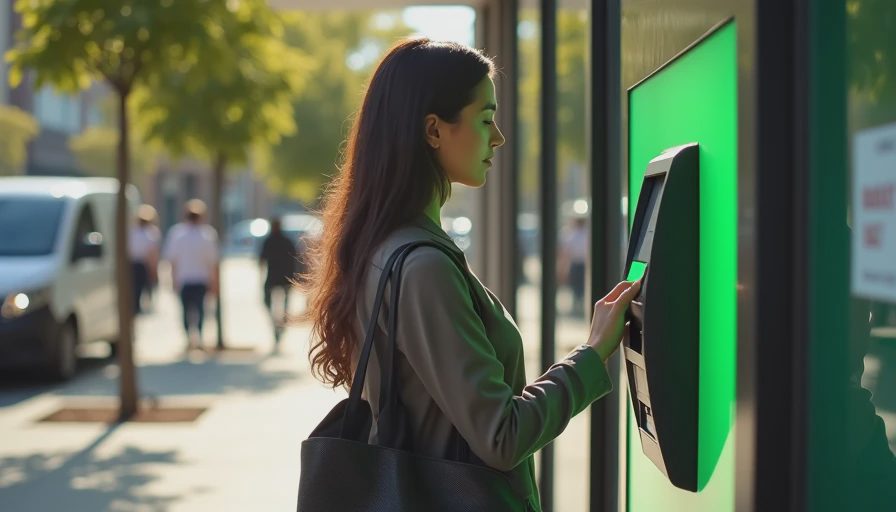
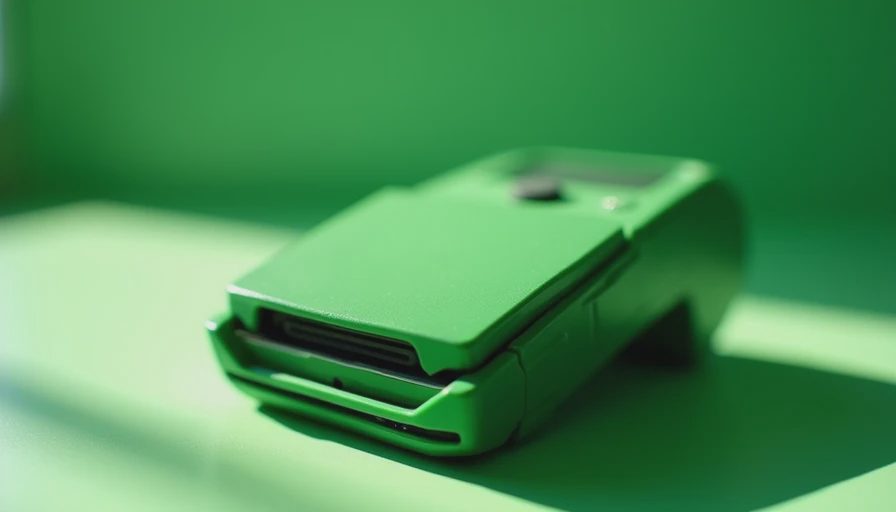
I first heard the phrase green ATM skimmer from a reader who noticed a bright green piece around the card slot at a convenience-store cash machine. The color caught their attention, but the loose fit and scratched keypad mattered more. That distinction is important: a green ATM skimmer is not identified by color alone. Criminals can use different colors, shapes, and materials to disguise equipment that copies card data or captures a PIN.
The safest response is not to pry at a suspicious machine or test it with your card. Step away, use another ATM, and report the machine to the bank or business responsible for it. If you already used it, move quickly but calmly. Here is the part most people miss: stolen card information is often only the first step in a larger chain. The attacker may try a cash withdrawal, an online purchase, a password reset, or a convincing phone call pretending to be your bank.
What a green ATM skimmer actually means
The phrase usually describes a suspected skimming device with a green exterior or a green-colored overlay placed near an ATM card reader. A skimmer is designed to read information from a magnetic stripe or otherwise interfere with the card-entry process. A separate hidden camera, fake keypad, or keypad overlay may be used to capture a PIN. Modern chip cards reduce some types of counterfeit-card fraud, but they do not make every ATM safe, especially when a machine still reads the magnetic stripe or the PIN is exposed.
Color is a clue, not a diagnosis. Banks use many ATM designs, and legitimate card readers can have green, blue, black, or silver trim. A real warning sign is a mismatch: a card slot that sits higher than the surrounding panel, a keypad that appears raised, adhesive residue, crooked plastic, unusual flashing lights, or a reader that moves when you gently touch it. Do not force anything. If a component seems attached, stop the transaction.
A green ATM skimmer can also be confused with a card-retention device or a damaged reader. Those problems can still justify using another machine, but they do not automatically prove criminal activity. Record the ATM location, time, and visible details from a safe distance. Avoid photographing anyone nearby or confronting a person who appears suspicious.
The damage trail after one suspicious withdrawal
Imagine a driver uses an ATM outside a grocery store on Friday afternoon. On Saturday morning, the checking account shows a $240 cash withdrawal the driver did not make. The initial temptation is to focus only on the missing money. The wider concern is whether the debit-card number, PIN, or other account details were exposed at the same machine.
Contact the bank or credit union using the number on the back of the card or the institution’s official website. Do not use a phone number printed on an unexpected text message. Explain that the card may have been exposed at an ATM and ask whether the account needs a new card, a new PIN, or both. A replacement card without a new PIN is not a complete response if you believe the keypad was compromised.
Review transactions from at least the previous several days, including small charges. Fraudsters sometimes test an account with a low-dollar purchase before attempting a larger withdrawal. Save screenshots, note the exact times, and ask how to dispute unauthorized transactions. Debit-card protections involve timing and bank procedures, so reporting promptly is much better than waiting to see whether another charge appears.
If your phone receives a bank alert, do not click a link in the alert unless you independently verify it through the bank’s app or website. An attacker who has obtained card details may pair the event with a fake fraud call. The caller may know the last four digits of the card and ask for a one-time code. That code can help take over an account. Your bank should not require you to surrender a login code to prove your identity to an unsolicited caller.
How to inspect an ATM without creating more risk
Before inserting a card, look at the entire machine rather than only the slot. Compare the reader with nearby ATMs from the same bank. Check whether the card slot is flush with the panel and whether the graphics line up cleanly. Shield the keypad with your free hand while entering a PIN. This will not stop every camera, but it reduces the usefulness of an overhead view.
Avoid ATMs in poorly lit, isolated locations when a bank branch or busy store machine is available. A machine inside a bank lobby is not automatically perfect, but it is generally easier for staff to inspect and harder to modify unnoticed. Avoid using an ATM if a stranger offers help, claims the machine is broken, or tells you to insert your card again at another terminal.
If you see what might be a green ATM skimmer, cancel the transaction and move away. Notify the business manager, bank, or police nonemergency line depending on the location and urgency. Give factual details: the address, machine number if visible, what looked unusual, and whether you inserted a card. Do not remove the suspected device yourself. Handling it can destroy evidence or place you in an uncomfortable confrontation.
What to do in the first 24 hours
Start with the bank. Ask for a card freeze or replacement, a new PIN, and an investigation of unfamiliar withdrawals. Then review every account connected to that checking account, including automatic bill payments and mobile-wallet cards. A fraudulent debit may be followed by a returned payment, overdraft fee, or failed rent or utility draft.
Next, change the online-banking password if you reused it anywhere else. Use a new password that is not based on your address, birthday, child’s name, or phone number. Turn on transaction alerts for withdrawals, transfers, and card purchases. If the bank offers account alerts through its official app, configure them there rather than through a text link.
Write a simple timeline while the details are fresh. Include when you visited the ATM, the location, the amount requested, when you noticed the transaction, who you called, and any case number. This record helps when a bank representative asks you to repeat the sequence and helps separate confirmed facts from guesses.
A green ATM skimmer does not mean every account connected to your household is compromised. The practical goal is to limit what an exposed card can reach. Remove saved debit-card details from shopping accounts, check peer-to-peer payment apps, and watch for password-reset emails you did not request. Do not respond to suspicious messages; contact each service through its known app or website.
A calm household checklist
For the next week, check the account daily and keep alerts enabled. Tell other authorized users what happened without blaming anyone. If a spouse, parent, or older relative uses the same account, explain that the bank will never need an unsolicited caller to receive a verification code. Also ask whether the card was used at another ATM around the same time, since matching reports can help the institution identify a compromised machine.
If money is missing, follow the bank’s dispute process and keep copies of submitted forms. If identity information beyond the card appears exposed, consider placing a fraud alert or credit freeze through the major credit bureaus. Those tools address credit-file abuse, not every type of bank fraud, but they can interrupt a second stage of the incident.
The important question is not only how a green ATM skimmer might have captured information. It is what the exposed details could reach next. Fast reporting, a new card and PIN, careful account review, and skepticism toward follow-up calls can break that chain. I’ve walked that road, so I can tell you where the holes are: a strange-looking ATM deserves attention, but a calm, documented response is what protects the rest of the household.

No comments yet — be the first to share a thought.