A family receives a text about an urgent vehicle software update. The message includes the correct car brand, a familiar service term, and a link that appears to lead to a dealership portal. Someone taps it while waiting in a school pickup line. No dashboard warning appears, but an email password is entered. That small moment is where automotive cybersecurity news becomes personal. The danger is not always a dramatic attack on the vehicle. More often, a connected car becomes one more path toward an email account, phone, payment profile, or household identity.
I have spent years tracing incidents from the first exposed detail to the financial damage that followed. I have walked that road, so I can tell you where the holes are. The important question is not only how someone might reach a vehicle system. It is what that system, app, phone, or dealership account could reach next.
What automotive cybersecurity news is really reporting
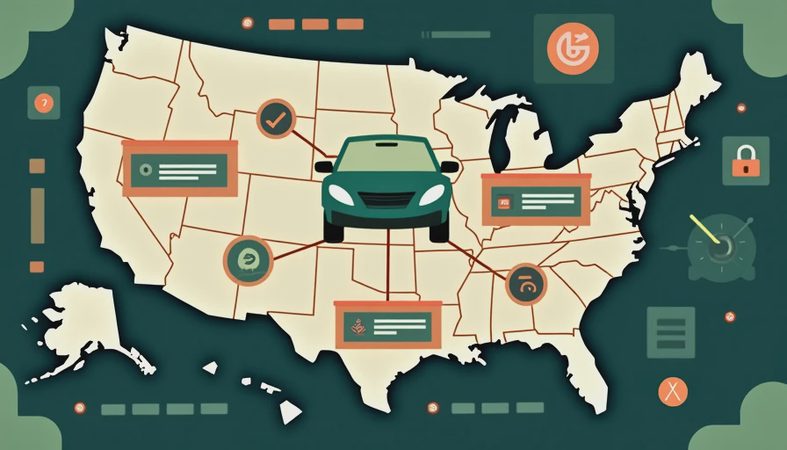
When automotive cybersecurity news covers a vulnerability, the headline may sound technical, but the practical issue is usually simple: a vehicle, mobile app, key fob, charging account, or service portal can hold information and permissions. Depending on the manufacturer and service, that can include a vehicle identification number, location history, driver profiles, contact details, payment information, or remote commands such as locking and unlocking.
A reported weakness does not automatically mean your car has been taken over. Security researchers often notify a manufacturer, the company fixes the issue, and an update becomes available before criminals use the flaw. Separate confirmed facts from assumptions. Ask which model years are affected, whether exploitation was observed, whether an update is required, and whether the risk concerns privacy, account access, or physical control.
The same careful reading applies to recalls and service alerts. A real notice generally directs owners to an official manufacturer site, dealership, or government recall resource. A random text demanding a payment or password is a different matter. Scammers borrow current headlines because urgency makes people skip the verification step.
How a connected-car scam can spread
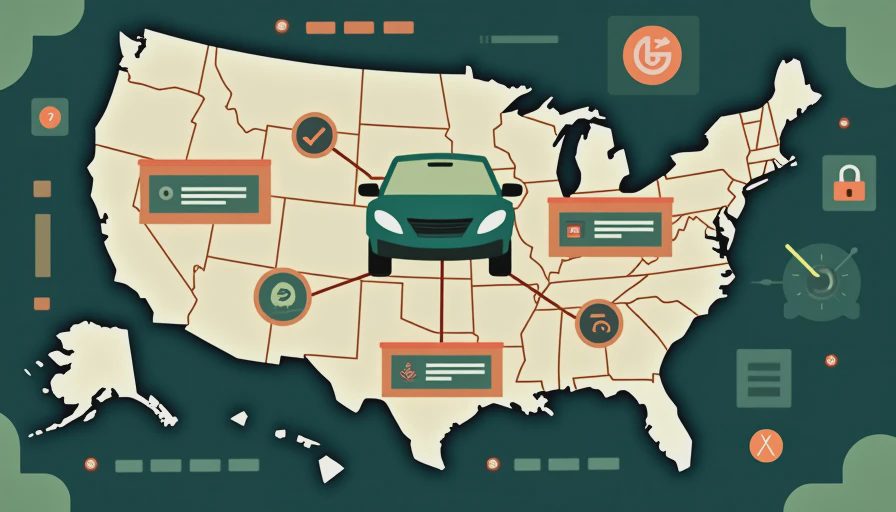
Consider a realistic sequence. An attacker finds a vehicle owner’s name and phone number in an old data leak. They send a fake message about a navigation update or expiring roadside assistance. The link opens a convincing login page. The owner enters a reused password, and the attacker tries that same password against email, shopping, or banking accounts.
Here is the part most people miss: the car does not need to be compromised for the household to suffer. The exposed account may contain billing records, saved payment cards, address information, or a recovery email. If the owner also uses that password for a vehicle app, the attacker may learn more about the car and its driver. A separate phone-number takeover could then intercept password-reset codes.
This is why automotive cybersecurity news belongs in an ordinary family security routine. The chain often begins with familiar behavior: reusing a password, trusting a message because it names the correct vehicle, or allowing every family member to share one account. None of those choices makes someone careless or foolish. They simply create links that are easy to overlook.
Warning signs that deserve a pause
A suspicious vehicle-related message often combines a believable detail with pressure. It may say your account will be suspended today, your charging balance is overdue, or a software update must be installed within an hour. Watch for a link whose domain does not match the manufacturer, a request for a full password by text, an unexpected payment demand, or a request for a one-time verification code.
Automotive cybersecurity news can also highlight unusual app behavior, such as a login notification from a distant location, a new driver profile, an unfamiliar device connected to the account, or remote commands you did not issue. One strange alert is not proof of a major attack. It is a reason to stop clicking and inspect the account through the official app or a typed web address.
Call the dealership or manufacturer using a number from the owner’s manual, a prior statement, or the official website. Do not use the phone number in the message. If the concern involves banking or a payment card, contact the financial institution separately and ask whether any transaction or profile change is pending.
What to do after a suspicious click
Start with the account, not the vehicle. If you entered a password, change it immediately from a trusted device and make it unique. Change it anywhere else it was reused, beginning with email. Email is often the master key because it receives password resets and security notices.
Next, sign out unknown sessions, remove unfamiliar devices, and review recovery phone numbers and email addresses. Turn on multifactor authentication using an authenticator app or security key when available. Text-message codes are better than no second step, but they can be defeated if a phone number is transferred to another device.
If payment information was entered, call the card issuer. If money moved, report the transaction promptly and preserve screenshots, texts, email headers, and call details. Do not continue chatting with the sender while trying to negotiate. For identity concerns, review your credit reports and consider a credit freeze through the major credit bureaus. A freeze does not repair every problem, but it can make new-account fraud harder.
Protecting the vehicle and the family account
Use the manufacturer’s official app and keep its phone operating system current. Install vehicle updates through normal dealership or in-car channels rather than links in unsolicited messages. Create a separate, strong password for the vehicle account, and avoid sharing the primary login with a child, guest driver, or outside service unless the account supports limited permissions.
Review connected services every few months. Remove old phones, former drivers, sold vehicles, and third-party integrations you no longer recognize. Check whether location sharing is enabled and whether payment details are still needed. When selling or trading a vehicle, complete the manufacturer’s transfer and factory-reset process; deleting the app from your phone is not the same as disconnecting the account.
Your home network matters too. Change the router’s default administrator password, install firmware updates, and use a guest network for devices that do not need access to family computers. A smart garage controller, dash camera, or charging device does not need to share the same permissions as a laptop containing tax documents.
A calm weekly security check
Set aside ten minutes each week for one small review. Look at recent sign-ins for email and the vehicle app. Confirm that recovery information is yours. Check bank and card alerts. Delete old text messages that contain links or verification codes. Ask family members whether anyone received a vehicle, delivery, toll, or roadside-assistance message that felt unusual.
For current automotive cybersecurity news, read beyond the headline and look for the affected product, required action, and official source. Avoid reposts that promise a guaranteed hack or claim every connected vehicle is unsafe. Good reporting should tell you what is confirmed, what remains unknown, and what owners can do now.
The goal is not to make a family afraid of technology or stop using a connected car. It is to break the chain early. Verify the message, protect the email account, remove stale access, and report financial activity quickly. Those steps address the places where a minor vehicle-related deception can become a much larger household incident.