When you search for cybersecurity breach news today, you are usually trying to answer one practical question: does this affect me? A headline about stolen customer records can feel distant until your email fills with password-reset notices or a bank flags a strange purchase. I have walked that road, so I can tell you where the holes are. The goal is not to panic at every alert. It is to confirm what happened, understand what information was exposed, and interrupt the next step before a leak becomes account fraud.
Start by separating a confirmed breach from online noise
The first step is verification. Social media posts often repeat an early claim before a company, regulator, or reputable news organization confirms the incident. When reviewing cybersecurity breach news today, look for the affected company’s own notice, a filing with a government regulator, or reporting that names the organization and explains what is known. Be cautious with posts that promise a complete list of victims or demand that you click a strange link to “check your status.”
A real breach notice normally identifies the company, the approximate incident date, the type of information involved, and what the organization is doing. It might say that names and email addresses were exposed, or that a separate database included account numbers and encrypted passwords. Those details matter. An exposed email address creates a different risk from an exposed Social Security number, although either can support a convincing scam.
Do not assume that every unusual message proves the breach caused it. Write down the date, sender, account involved, and action requested. That simple record helps you compare the message with the company’s announcement instead of making a rushed decision.
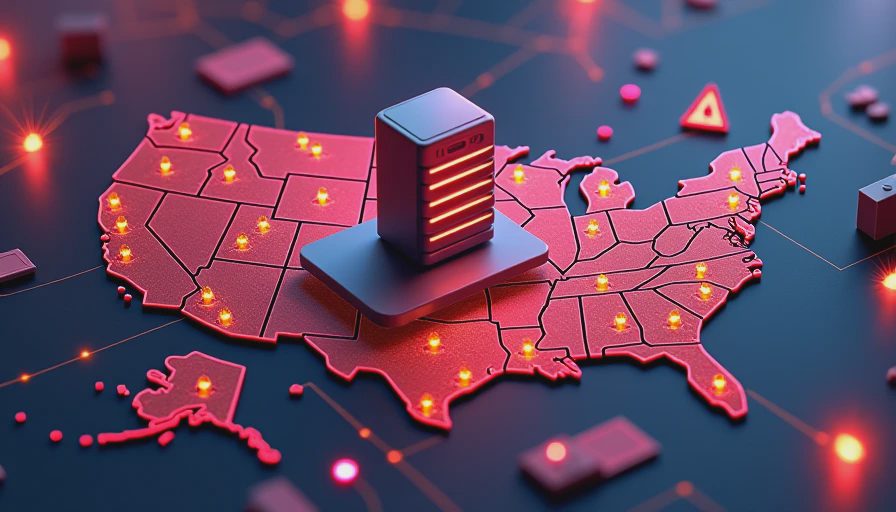
Understand how a small leak becomes a bigger problem
Here is the part most people miss: criminals rarely need every detail at once. Suppose a shopping website exposes your email address and an old password. If that password is reused for your email account, a payment app, or a family streaming account, the attacker may test the same combination elsewhere. Once an email account is entered, password-reset messages can become visible, and the attacker may learn which financial services you use.
A phone number adds another layer. A fake support call or text can use your name, the company involved, and a recent order to sound believable. The attacker’s objective may be to persuade you to disclose a one-time code, approve a login, or move money “for protection.” The breach itself did not necessarily empty your account. It supplied a piece of a story that made the next deception more convincing.
When reading cybersecurity breach news today, ask three questions: what data was exposed, which account used that data, and what could someone reach from that account? The important question is not only how they got in. It is what they could reach next.
Take immediate steps after a breach notice
Start with the affected account, but do not use a link in an unexpected email. Open the company’s app or type its known web address yourself. Change the password to a new one that has never been used elsewhere. If you reused it, change those other accounts too, beginning with your primary email, banking login, payment apps, and mobile-carrier account.
Turn on multifactor authentication where it is available. An authenticator app or security key can be stronger than text-message codes, but text verification is still better than having no second step. Review active sessions and signed-in devices, then sign out anything unfamiliar. Check recovery email addresses, phone numbers, forwarding rules, and security questions. Attackers sometimes change recovery settings so they can return after you reset the password.
Contact your bank through the number printed on your card if you see an unauthorized transaction. Ask what the bank recommends for replacing the card, changing the account number, and documenting the claim. Save screenshots and confirmation numbers. Quick records are useful when several accounts are involved.
Protect credit and identity information
If a notice says Social Security numbers, driver’s license information, or financial account details were exposed, consider placing a credit freeze with the three major credit bureaus. A freeze limits access to your credit file and is free to place and lift. It can be inconvenient when you apply for an apartment, loan, or new credit card, but it is a strong barrier against someone opening an account in your name.
A fraud alert is another option and tells potential creditors to take additional steps to verify an application. It is less restrictive than a freeze. Review your credit reports through the official AnnualCreditReport.com site, and watch for unfamiliar inquiries or accounts. Be skeptical of calls offering paid “breach cleanup” while demanding remote access, gift cards, cryptocurrency, or an upfront fee.
The safest response to cybersecurity breach news today is usually boring: change reused passwords, secure the email account, watch financial activity, and verify help independently. Boring actions are effective because they remove access rather than merely warning you about danger.

Build a household response plan
Families often share devices, email addresses, tablets, and payment accounts. That makes recovery easier when everyone knows the plan. Decide which adult will monitor bank alerts and which person will keep the incident notes. Tell children and older relatives that a real company will not ask them to read a one-time security code over the phone. Agree that urgent requests involving money or account access require a second conversation through a known phone number.
Check the home network as well. Update the router’s administrator password, install available firmware updates, and separate guest devices from computers used for banking when the router supports guest networking. Remove old applications and accounts from shared tablets. A forgotten printer, camera, or streaming device is not automatically a breach, but outdated devices can make account cleanup harder.
Create a short emergency card with bank phone numbers, the mobile carrier’s fraud department, and the names of important accounts. Do not write passwords on the card. Store backup codes in a secure place that the household can reach during a phone loss.
Know when an alert deserves urgent attention
A general headline does not mean an attacker is inside your accounts. An unfamiliar login notification, changed recovery email, missing phone service, password-reset message you did not request, or unauthorized bank transaction deserves faster action. Start with the account showing activity, then secure the email account and contact the financial institution.
If money has moved, report it promptly and follow the bank’s instructions. If identity documents or Social Security information are involved, use IdentityTheft.gov for recovery guidance. Keep a timeline with exact dates, people contacted, case numbers, and promised follow-up. That record reduces confusion when the incident stretches across several days.
Cybersecurity breach news today is most useful when it leads to a specific decision, not a frightened click. Confirm the report, map the exposed information to your accounts, remove reused access, and monitor what matters. You do not need to become a security engineer. You need a calm sequence that closes the next hole before someone else finds it.




No comments yet — be the first to share a thought.