When a company confirms that customer information was stolen, the first reaction is often confusion. What was taken? Is a bank account at risk? Should a family change every password tonight? The phrase adt confirmed customer data was stolen by extortion hackers describes a serious event, but it does not automatically mean every ADT customer will experience fraud. The next steps depend on what information was exposed and whether it connects to reused passwords, email accounts, or payment profiles.
I have walked through a similar chain after one convincing bank message turned a small exposure into a much larger account-takeover problem. Here is the part most people miss: stolen information is often useful because it helps an attacker sound legitimate later. The important question is not only how they got in. It is what they could reach next.
What the ADT confirmation does and does not tell you
The wording matters. If ADT confirmed customer data was stolen by extortion hackers, that confirms a data-security incident and an attacker’s claim or access, but it does not by itself identify every affected record. Public notices can take time to explain whether the exposed material included names, contact details, account information, credentials, or other data. An extortion group may also publish threats before investigators finish determining the full scope.
Do not fill the gaps with rumors from social media. Instead, look for an official ADT notice, direct email, or customer-support update. Be cautious with links in unexpected messages, even if they use the ADT name. Type the company’s web address into your browser or use a known account bookmark. A real notification should not require you to provide a password, one-time code, or full payment-card number to “verify” your identity.
This distinction also prevents unnecessary panic. A stolen name and email address create a phishing risk, while a stolen password reused at a bank creates a more urgent account-takeover risk. Different information calls for different actions.

The likely chain from exposed data to fraud
The chain usually begins with a message that feels familiar. An attacker may know a customer’s name, service relationship, phone number, or email address. That detail can make a fake security alert appear credible. The message may claim that an alarm account needs attention, a payment failed, or a technician appointment must be confirmed.
If the recipient clicks a link and enters a reused password, the attacker may try that password on email, shopping, cloud-storage, or financial accounts. Email is especially important because it can receive password-reset messages. Once email is compromised, an attacker may delete alerts, create forwarding rules, or request access to other services. They do not need to break into every account separately if one reused password opens the door.
That is why adt confirmed customer data was stolen by extortion hackers should prompt a household account review, not just a change to an ADT password. Check where the same email address, phone number, security question, or password appears. A familiar piece of data becomes more dangerous when combined with information from older breaches.
A phone number can also support impersonation attempts. Someone might call pretending to be a fraud department representative and ask for a verification code. Never read a one-time code to an unsolicited caller. If a caller creates urgency, hang up and contact the organization through a number printed on a card or shown in a trusted app.
What to secure in the first hour
Start with the email account connected to your ADT profile. Change its password to a new, unique passphrase that is not used anywhere else. Then review recent sign-ins, recovery addresses, forwarding settings, and connected apps. Remove anything unfamiliar and turn on multifactor authentication using an authenticator app or security key when available. Text-message codes are still better than no second factor, although they are not immune to phone-number theft.
Next, change the ADT account password and any other account that used the same password. Use a password manager if possible; a long random password for each service is easier to maintain than a short password with a different number added at the end. Do not save a new password in a browser profile shared by several family members unless each person has a separate protected account.
Review bank and card accounts for unfamiliar purchases, new payees, changed contact details, or password-reset notices. Contact the financial institution using its official number if anything looks wrong. A bank will generally document the report and explain whether a card, account number, or online-banking credential should be replaced.
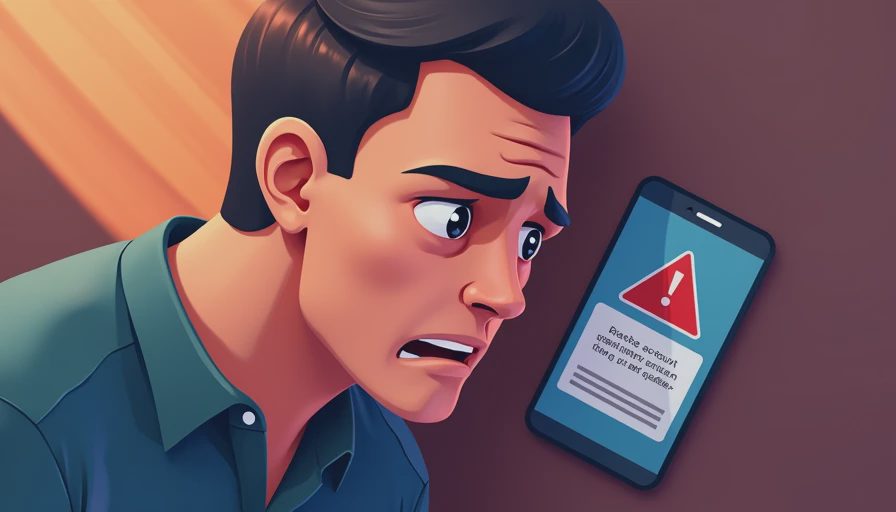
If adt confirmed customer data was stolen by extortion hackers and you receive a suspicious message afterward, preserve it before deleting it. Save screenshots, the sender address, the full web address, and the date and time. Do not reply or negotiate with the sender.
A practical household review
Use a sheet of paper and write down every account tied to the exposed email address. Include Gmail or Outlook, banking, credit cards, PayPal, Venmo, Amazon, Apple or Google accounts, medical portals, and smart-home services. Mark whether each password was unique, whether multifactor authentication is enabled, and whether payment information is stored.
Work from the highest impact accounts first. Email and financial services come before retail shopping accounts. Then check your mobile-carrier account because control of a phone number can make password recovery easier for an intruder. Ask the carrier to add an account PIN or other available protection against unauthorized changes.
Families should also inspect shared devices. Sign out of old tablets, smart TVs, and phones no longer in use. Update the home router and connected cameras through their official apps. These steps do not prove that a device was involved in the ADT incident; they reduce the number of forgotten access points in the household.
Credit monitoring can help you notice changes, but it is not a substitute for secure passwords and account alerts. Consider a credit freeze if exposed information includes identity details that could support new-account fraud. A freeze is free through the three major credit bureaus and can be lifted when you legitimately apply for credit.
How to recognize the next impersonation attempt
Expect more convincing messages after a publicized breach. A fake notice may mention an ADT account, a service address, a billing issue, or a supposed security upgrade. It may include a logo and a familiar-looking sender name. Those details are easy to copy and are not proof of authenticity.
Pause when a message demands immediate action, requests a code, asks for remote computer access, or directs you to pay with gift cards, cryptocurrency, or a wire transfer. Open a separate browser window and contact the company independently. Do not use the phone number or link supplied in the suspicious message.
The phrase adt confirmed customer data was stolen by extortion hackers may also appear in scam posts designed to harvest more information. Read official notices directly, not through forwarded screenshots. If you believe you gave away a password, change it immediately from a clean device and begin with email, banking, and your phone account.
What to document and report
Keep a simple incident folder with the official notice, screenshots, password-change dates, bank case numbers, and copies of suspicious messages. This record helps when several family members are affected and prevents repeated explanations. If money was taken, contact the bank promptly and report suspected identity theft to the Federal Trade Commission at IdentityTheft.gov. For phishing or online crime, a report to the FBI’s Internet Crime Complaint Center may also be appropriate.
Do not blame the person who clicked. Attackers design messages to exploit trust, timing, and incomplete information. The useful response is a calm sequence: secure email, replace reused passwords, protect financial accounts, freeze credit when appropriate, and watch for follow-up impersonation.
If adt confirmed customer data was stolen by extortion hackers, the breach is a reason to interrupt the chain before exposed information becomes an account takeover. I have walked that road, so I can tell you where the holes are. Close the biggest ones today, then revisit the household list in a week for anything missed.





No comments yet — be the first to share a thought.