An atm skimmer insert is a hidden device placed in or around a card reader to capture payment-card data. Most people never see the theft begin. They insert a debit card, enter a PIN, collect cash, and drive away believing the transaction was ordinary. The damage often appears later, when unfamiliar purchases, withdrawals, or account alerts reveal that someone copied information during that brief visit.
I have walked that road, so I can tell you where the holes are. The most useful response is not panic. It is learning what an ATM skimmer insert does, recognizing signs that a machine has been altered, and knowing which actions limit the damage after a suspicious transaction.
How an ATM skimmer insert fits into the fraud chain
A card skimmer is designed to collect information from a magnetic stripe or other card transaction. Criminals may also try to obtain a PIN by placing a concealed camera near the keypad or using a false keypad overlay. The reader itself can look normal, and a machine can still dispense cash normally while information is being copied.
The important question is not only how they got in. It is what they could reach next. Stolen card details can lead to unauthorized purchases, attempted ATM withdrawals, or follow-up messages pretending to be from a bank. If the same password protects email, shopping, or payment accounts, one compromised card visit can become part of a wider account-takeover chain.
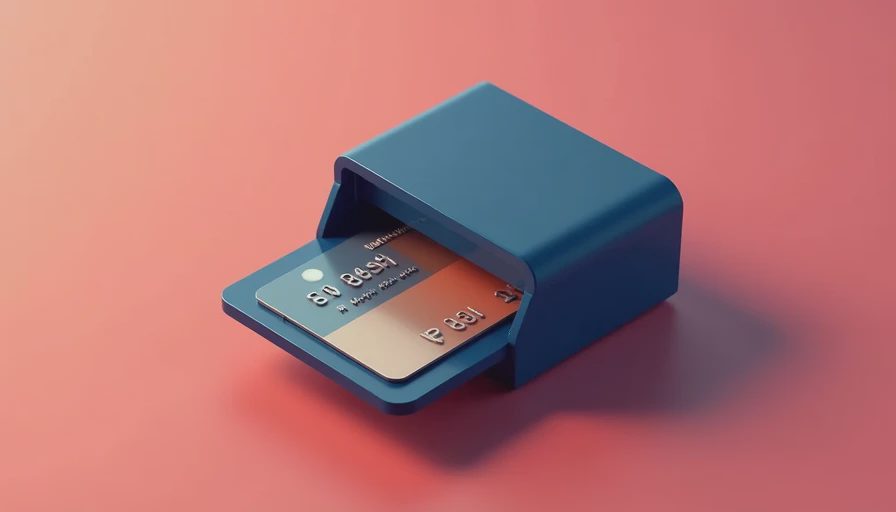
An atm skimmer insert is not the same as a normal card reader. A legitimate reader is built into the machine and usually feels firmly attached. An unauthorized device can create an unusual ridge, a loose fit, a different color, or a card slot that extends farther than expected. Those differences are clues, not proof, so do not pry open the machine or attempt to remove anything yourself.
What to inspect before using an ATM
Start with the location. Bank-branch ATMs are generally preferable because they receive more routine oversight than isolated machines at convenience stores, bars, or outdoor fuel pumps. That does not make a branch machine immune, but it reduces the number of uncontrolled variables.
Look at the card reader and compare it with the rest of the machine. Does the trim match? Does the reader wobble when you gently touch the surrounding housing? Is there adhesive, a broken seal, a crooked panel, or a keypad that looks raised? Pay attention to lighting and small changes in texture. A replacement part may appear slightly thicker or sit at an awkward angle.
Cover the keypad with your free hand while entering your PIN. This blocks the view of a nearby camera and protects your number from someone standing behind you. Never accept help from a stranger who suddenly offers to fix the machine. If the ATM keeps your card, step away and call the bank using a phone number from its official website, mobile app, or your card, not a number posted on a suspicious sticker.
If the machine appears altered, cancel the transaction and use another ATM. Report the concern to the bank or property manager, including the location, time, and visible warning signs. Do not post detailed removal instructions online; reporting helps the operator preserve evidence without showing others how to defeat security controls.
The clues that appear after a compromised transaction
Fraud does not always happen immediately. A thief may test a card with a small purchase before attempting a larger transaction. You might see a declined payment, an unfamiliar merchant name, a cash withdrawal in another city, or a bank alert about a new digital-wallet enrollment. Sometimes the first clue is a text claiming that your card was locked and asking you to call a number.
An atm skimmer insert may expose card data without giving the thief access to your online banking password. That distinction matters. A suspicious debit-card transaction does not automatically mean your email or phone was hacked. Treat each fact separately: identify the transaction, confirm whether your physical card is still with you, review recent account activity, and look for unrelated login or password-reset alerts.
Here is the part most people miss: a familiar-looking bank text can be the second stage of the incident. Once criminals know a card was used at a certain bank or location, they can create a believable follow-up story. Do not share a one-time verification code, PIN, full password, or Social Security number with an unexpected caller.
What to do after suspicious ATM activity
Move quickly, but use official contact channels. Call the bank’s fraud department and explain the exact transaction, date, amount, and ATM location. Ask whether the debit card should be blocked and replaced. Change the card PIN, especially if you entered it at a machine that looked unusual. If the card is connected to a mobile wallet, ask the bank whether the token should be removed and reissued.
Review checking, savings, and linked payment accounts for at least several weeks. Save screenshots, alert messages, receipts, and case numbers in one folder. If money was taken, ask the bank about its dispute process and any required written statement. Debit-card protections can depend on how quickly you report unauthorized activity, so delaying a call can create unnecessary complications.
An atm skimmer insert incident also deserves a password check when other warning signs exist. Use a unique password for email and banking, enable multifactor authentication, and sign out of unfamiliar devices. Contact your mobile carrier if you see an unexpected loss of service or a notice about a SIM change. These steps address the possibility that the ATM event is connected to a broader attempt rather than assuming every later message is random.
How families can reduce repeat exposure
Create a simple household rule: no one responds to a financial emergency message through the link or phone number provided in that message. Instead, open the bank app directly or type the institution’s known web address. Parents can practice this with older relatives, who are often targeted by urgent calls involving locked cards, suspicious transfers, or supposed fraud investigators.
Use transaction alerts for debit purchases, ATM withdrawals, and card-not-present payments. Alerts do not prevent every theft, but they shorten the time between an unauthorized transaction and your discovery of it. Keep only the cash needed for routine spending in a checking account, while understanding that account organization is not a substitute for monitoring or a bank’s security controls.
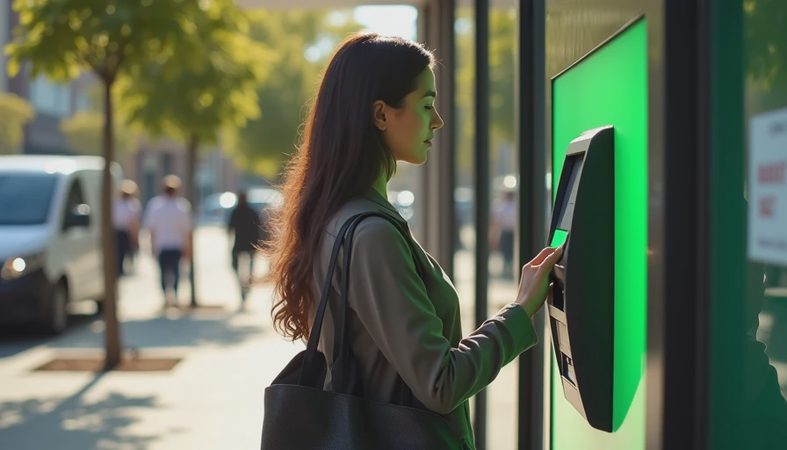
When choosing an ATM, favor a well-lit location with visible cameras and regular foot traffic. Inspect the machine without touching suspicious attachments. If a card reader seems loose or different, leave and report it. These habits take less than a minute and remove many opportunities for a hidden atm skimmer insert to go unnoticed.
A calm checklist for the next ATM visit
Before inserting a card, check the reader, keypad, and surrounding panel for mismatched parts or unusual movement. Shield your PIN. Decline help from strangers. Keep your receipt or confirm the transaction in your bank app. Review the account later that day, especially after using an unfamiliar machine.
If something feels wrong, cancel, leave, and contact the operator. If an unauthorized transaction appears, call the bank immediately, block the card, replace the PIN, preserve records, and ignore unsolicited “fraud department” calls until you verify them independently. An atm skimmer insert is a physical warning of a possible financial-data exposure, not proof that every account you own has been taken over.
You do not need specialized equipment to make a safer choice. A few seconds of inspection, a covered keypad, reliable alerts, and a fast response can interrupt the chain before copied card information becomes a larger household problem.

No comments yet — be the first to share a thought.